


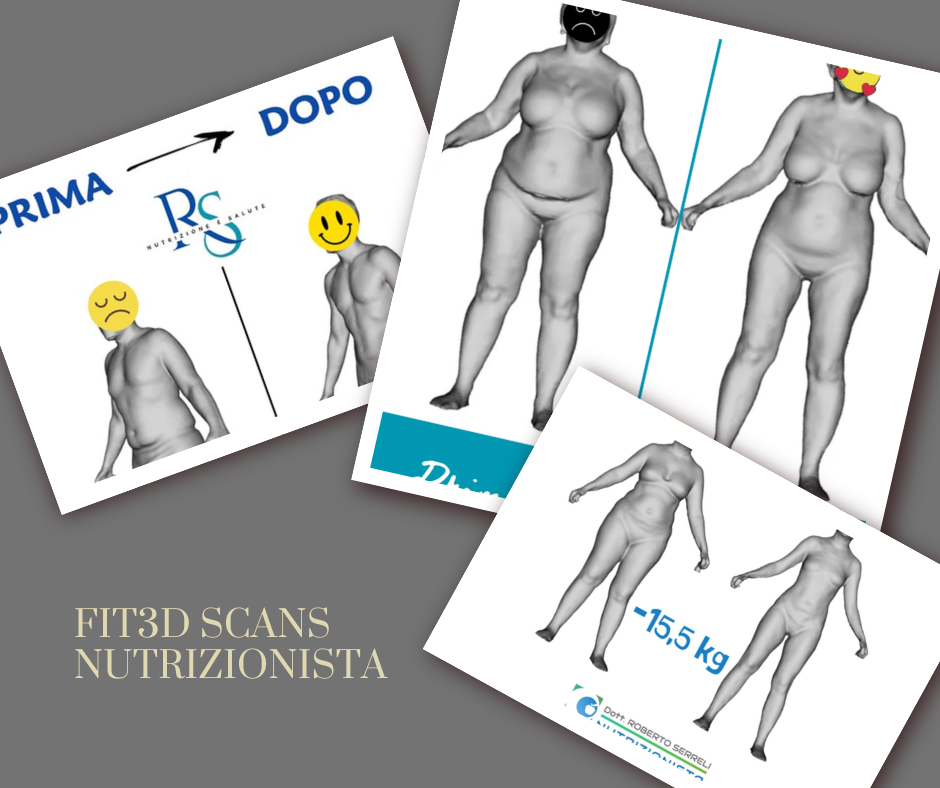
How Nutritionists Use 3D Body Scanning to Motivate Clients
Nutrition professionals across Europe and South America are increasingly looking for better ways to measure body composition, personalize nutrition protocols, and keep patients motivated during long-term lifestyle changes.
Traditional tools such as weight, BMI, or tape measurements only provide a partial view of progress. Many nutritionists are now adopting 3D body scanning technology to gain deeper insights into body composition and visualize physical changes over time.
One practitioner who has integrated this technology into his workflow is Dr. Roberto Serreli in Italy.
A Nutritionist’s Perspective on Using 3D Body Scanning
“I’ve been using the Fit3D scanner since August 2023, and it has definitely added value to my practice. It provides a much broader range of data that I can use to better personalize dietary protocols, especially when working on body composition goals.
Patients are also very intrigued by the technology—it’s innovative, visually impactful, and very few professionals in my area are using it. This makes my practice stand out and helps attract new clients.
It’s a tool that truly helps increase patient motivation.”
— Dr. Roberto Serreli
Why Nutritionists Are Moving Beyond BMI and Scale Weight
For nutritionists focused on fat loss, muscle gain, metabolic health, or weight management, body composition tracking is essential.
3D body scanning tools allow professionals to:
- Track circumference measurements across the entire body
- Visualize body changes between appointments
- Monitor progress toward body composition goals
- Show clients clear visual evidence of transformation
This kind of visual feedback often improves patient motivation and adherence to nutrition plans.
Why International Nutritionists Are Choosing SNAP
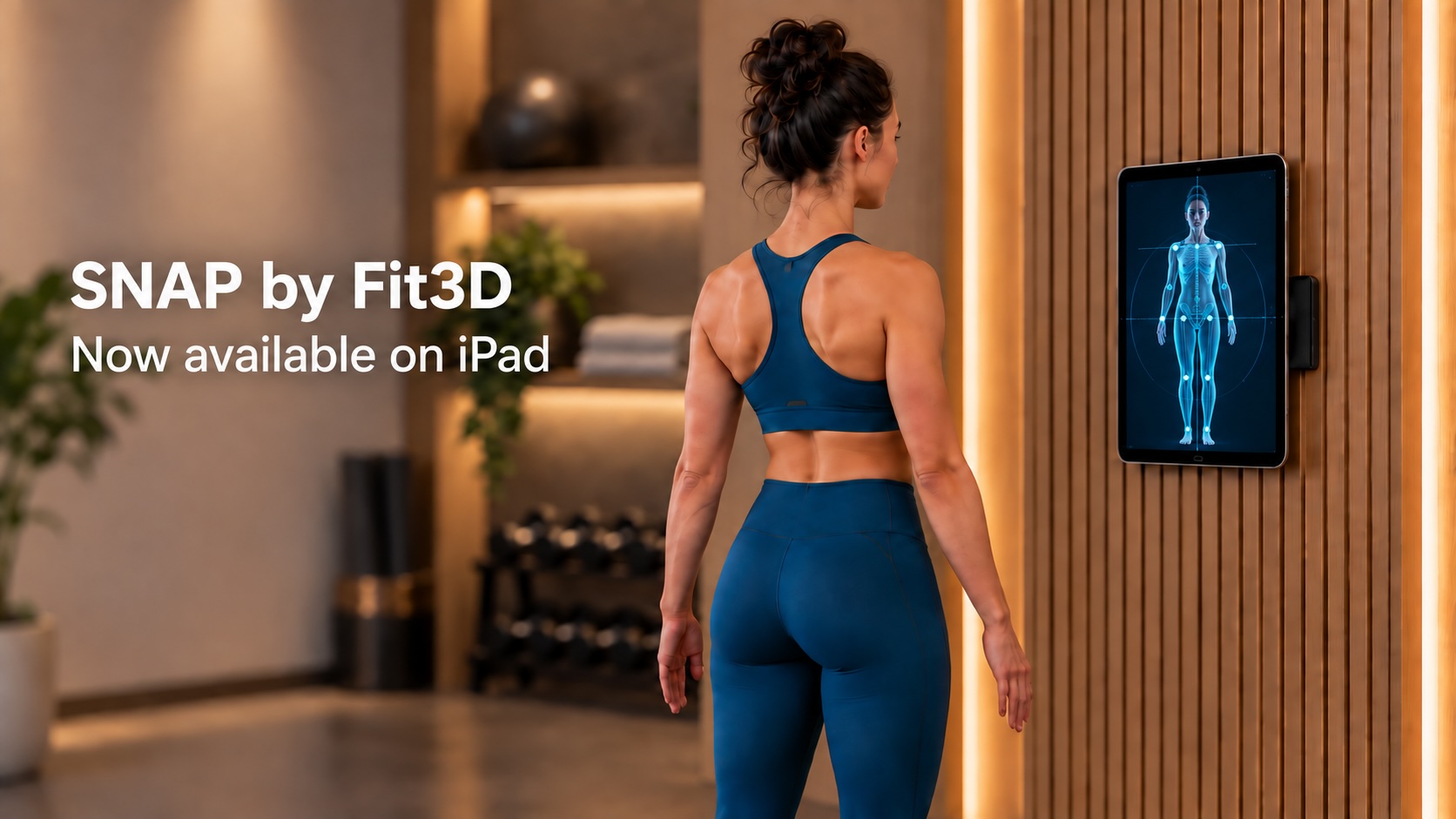
A major reason many clinics outside the United States are adopting the Fit3D SNAP scanner is its simplified deployment model.
Unlike traditional hardware scanners that require international shipping and complex installation, SNAP is designed to be software-based with a Bring-Your-Own-Device approach.
For nutritionists in Europe and South America, this means:
- No international shipping delays
- No import tariffs or customs complications
- Lower startup cost
- Ability to start scanning the same week
Clinics simply purchase a compatible Android tablet locally and activate the software. This allows many practices to deploy body composition scanning within days instead of waiting weeks for hardware delivery.
Helping Nutrition Practices Stand Out
In many cities across Europe and South America, nutrition clinics compete heavily on price and services. Adding innovative technology can help practices differentiate themselves.
3D body scanning can help nutritionists:
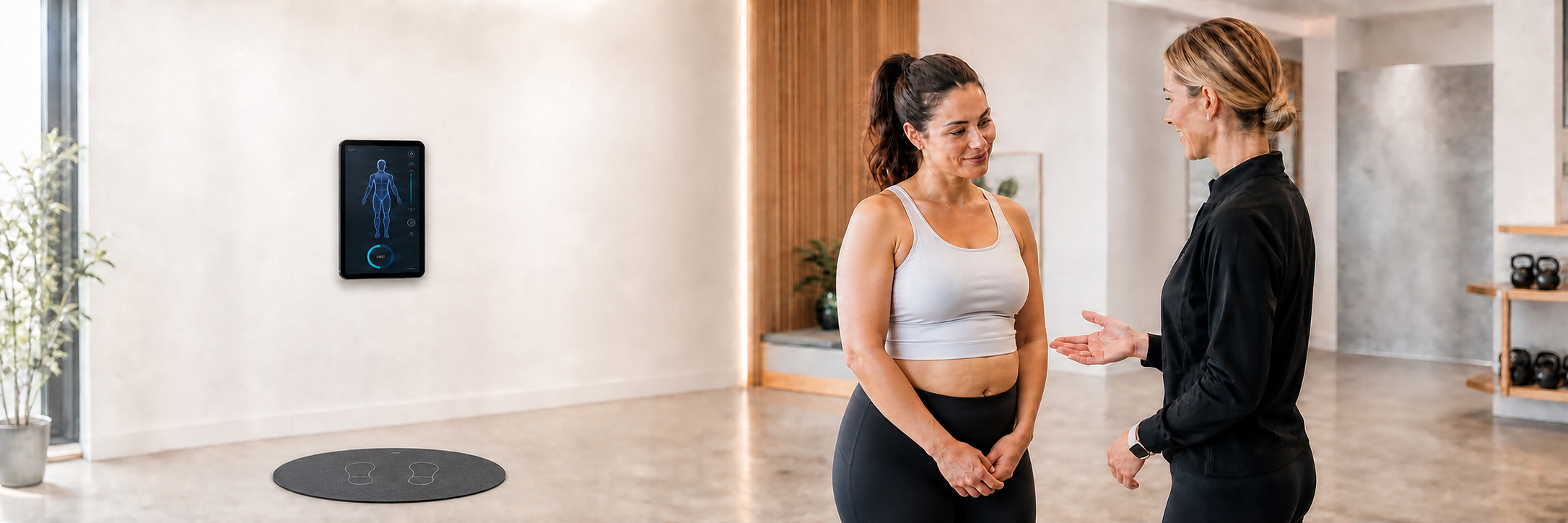
- Create a more advanced consultation experience
- Attract new patients curious about the technology
- Provide clear progress reports that motivate clients
- Build longer-term engagement with nutrition programs
As Dr. Serreli noted, the technology itself often becomes a conversation starter that attracts new clients to the practice.
The Future of Body Composition Tracking in Nutrition
As nutrition science continues to evolve toward personalized health and body composition optimization, tools that provide clear, visual, and measurable progress will become increasingly important.
For many nutritionists worldwide, 3D body scanning is becoming a key part of modern nutrition practices — helping professionals deliver better insights, stronger patient motivation, and a more differentiated service offering.
Learn more about Fit3D SNAP body composition scanning at:


Subscribe to
our Newsletter!
