


Weight Loss Plateaus: A Medical Clinic Case Study
Case Study: How Life Goals Wellness Uses Body Composition to Keep Patients Motivated Through Weight Loss Plateaus
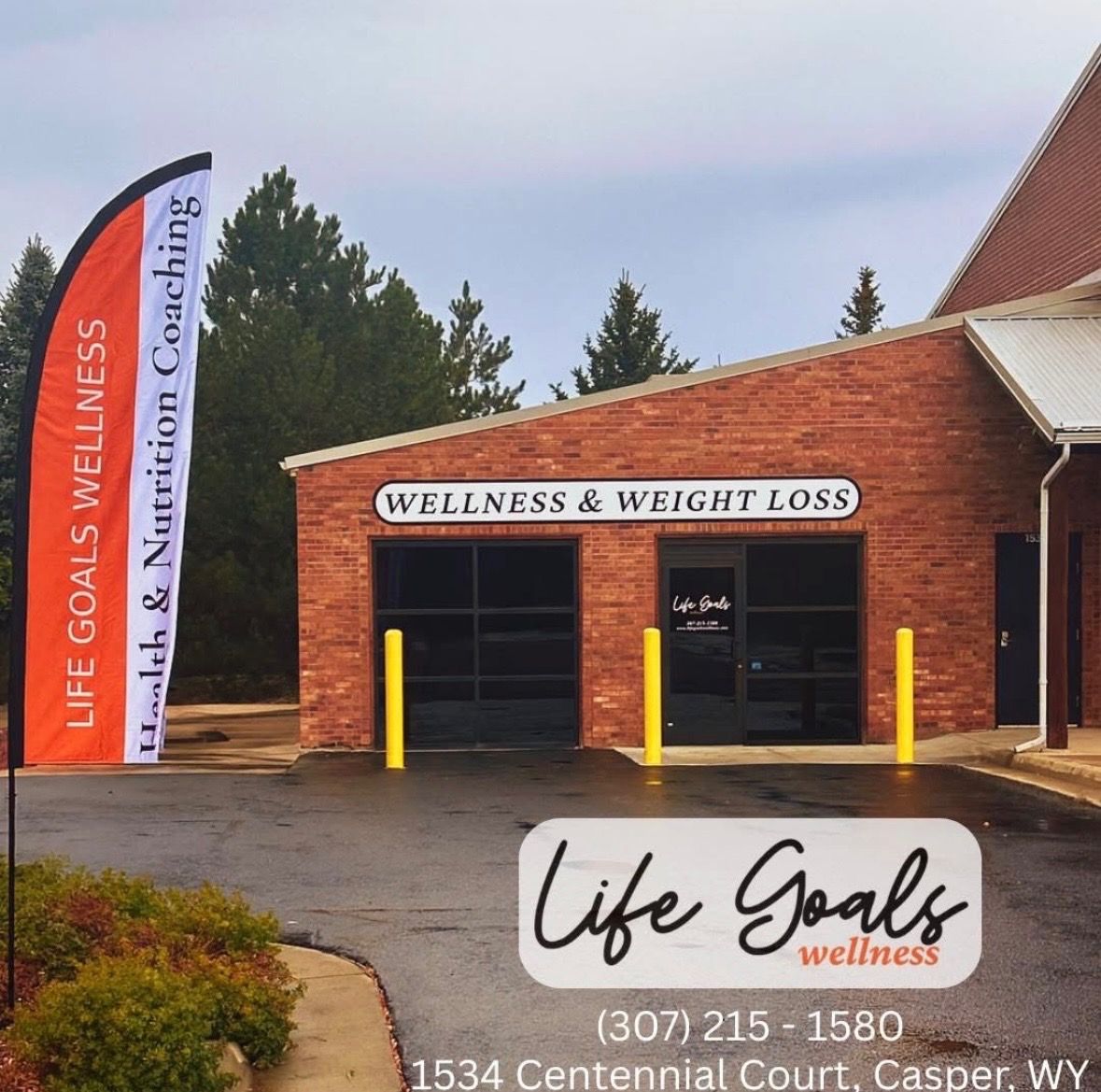
Clinic: Life Goals Wellness
Location: Casper, Wyoming
Industry: Medical Weight Loss & Wellness Clinic
"When the scale stops moving, our Fit3D scans often show that our patients are still making meaningful progress. Those conversations have helped many of our patients stay committed to their weight-loss journey."— Dr. Jessi Waring, Life Goals Wellness
At a Glance
Challenge
- Patients became discouraged when the scale stopped moving.
- Providers needed a better way to explain progress during weight-loss plateaus.
- The clinic wanted patients focused on long-term health, not daily weight fluctuations.
Solution
- Incorporate Fit3D body composition scans into every patient's weight-loss journey.
- Use body composition data as an education tool during follow-up appointments.
Results
- Better conversations during weight-loss plateaus.
- Patients see progress beyond the scale.
- Improved understanding of fat loss, muscle preservation, and long-term success.
Why Weight Loss Plateaus Matter
Every medical weight-loss clinic eventually hears the same concern:
"I've been doing everything right, but the scale hasn't moved."
For many patients, this is the point where motivation begins to disappear. Some even consider stopping treatment because they believe nothing is changing.
At Life Goals Wellness in Casper, Wyoming, these conversations are expected—but they rarely end there.
Instead of relying only on body weight, Dr. Jessi Waring uses body composition assessments to help patients understand what is actually happening inside their bodies.
What Causes a Weight Loss Plateau?
Weight-loss plateaus are a normal part of almost every successful program.
As the body adapts to healthier habits, body weight often changes more slowly. That doesn't necessarily mean fat loss has stopped.
Many patients continue to:
- Lose body fat
- Preserve lean muscle
- Reduce waist circumference
- Improve posture
- Change their overall body shape
Unfortunately, a traditional scale can't measure any of those improvements.
That's where Life Goals Wellness changes the conversation.
How Life Goals Wellness Measures Progress Beyond the Scale
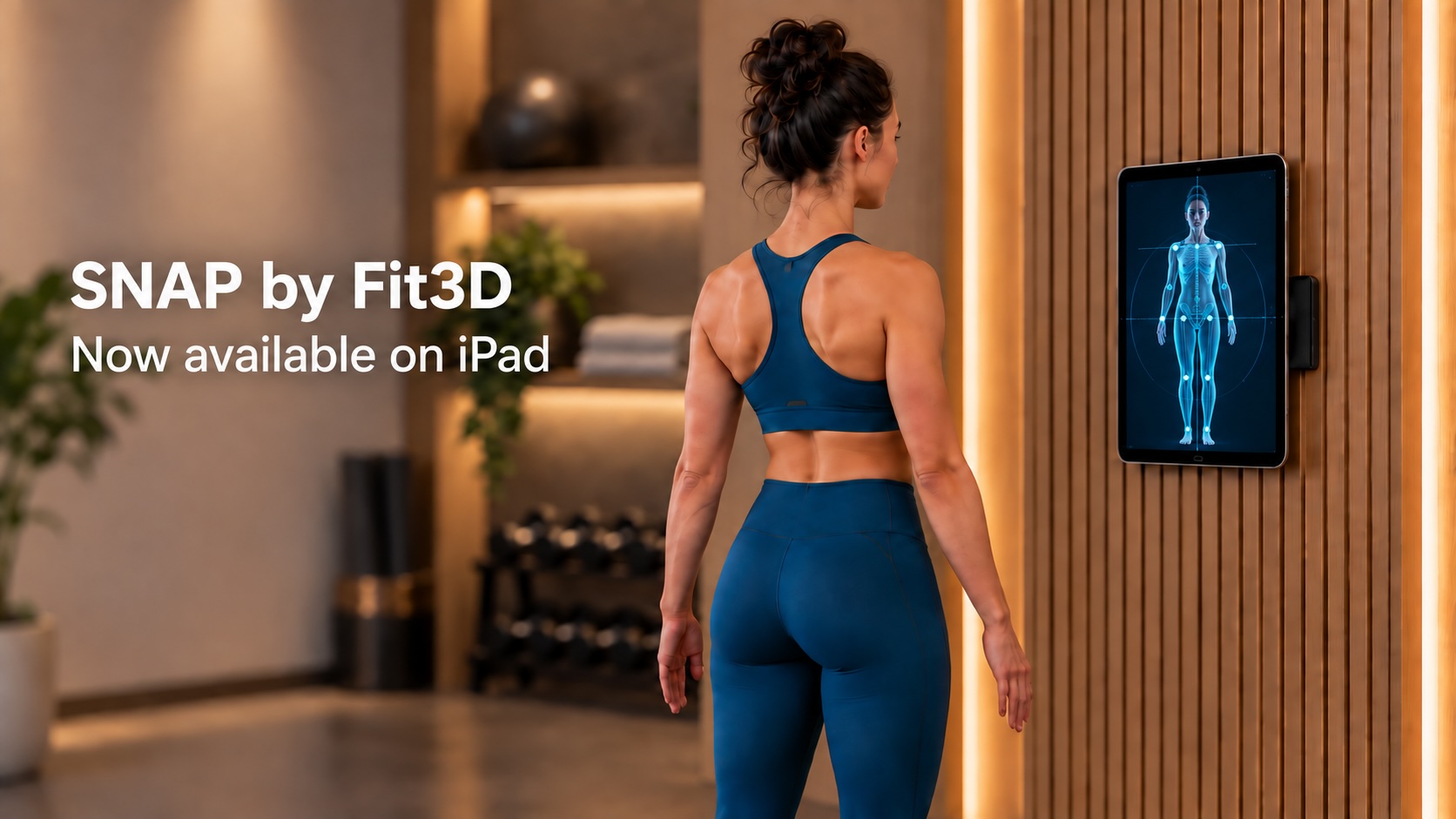
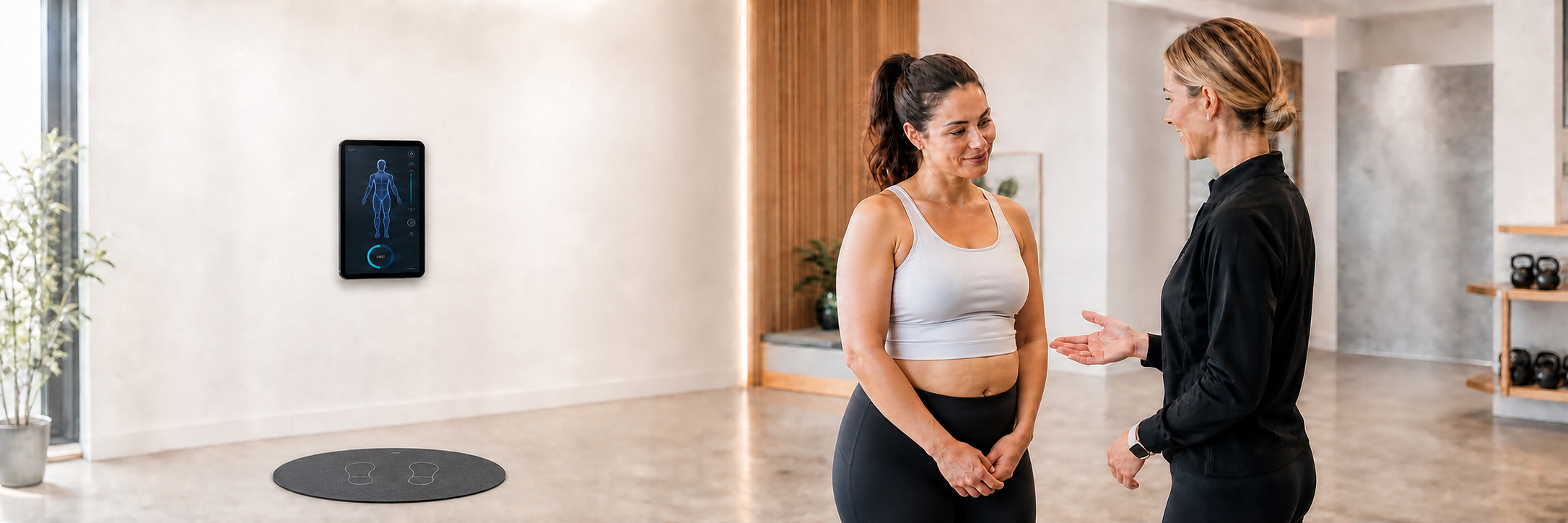
Since opening our doors, Fit3D has been an essential part of our patient experience. Every patient has the opportunity to complete a Fit3D body composition scan, allowing us to educate them, track meaningful progress, and celebrate non-scale victories that often go unnoticed with traditional methods.
Patients complete an initial scan before beginning treatment, followed by additional scans throughout their weight-loss journey.
Rather than reviewing only body weight, providers evaluate:
- Body fat percentage
- Lean muscle mass
- Circumference measurements
- Posture
- Overall body composition
These objective measurements help providers explain changes that patients often can't see themselves.
"I Thought Nothing Was Happening"
Dr. Jessi Waring says many of her most rewarding appointments begin with discouraged patients.
A patient arrives convinced treatment has stopped working because their weight hasn't changed.
Then we pull up their Fit3D scan.
Instead of seeing failure, they see measurable progress. Their waist is smaller. They've reduced body fat. They've preserved lean muscle. Their avatar shows visible changes they hadn't noticed in the mirror.
"Those are some of my favorite appointments," says Dr. Waring. "Patients come in discouraged, but after reviewing their Fit3D results, they realize their hard work is paying off. Their mindset completely changes."
Why Body Composition Matters During GLP-1 Treatment
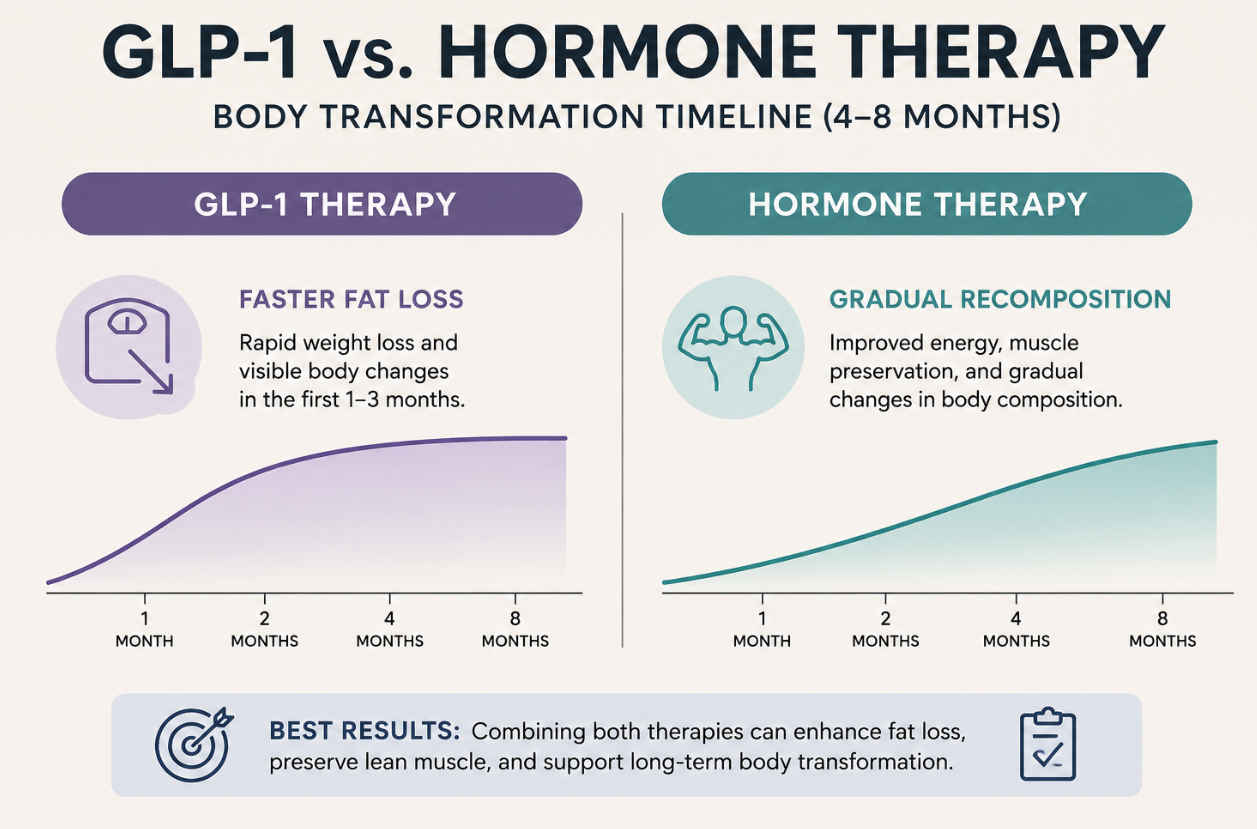
One of the biggest misconceptions is that GLP-1 medications do all the work. They're an incredible tool, but lasting success comes from combining treatment with education, proper nutrition, movement, hydration, and healthy lifestyle habits. Fit3D plays a huge role in those conversations because patients can actually see how those healthy habits affect their body composition—not just their weight.
At Life Goals Wellness, patient education focuses on something much broader.
Providers discuss:
- Protein intake
- Muscle preservation
- Strength training
- Sustainable lifestyle habits
Body composition gives patients visual evidence that these healthy behaviors are making a measurable difference—even when the scale hasn't changed.
Better Conversations Create Better Patient Experiences
For Life Goals Wellness, Fit3D isn't simply another measurement tool.
It changes the quality of follow-up appointments.
Instead of explaining why the scale hasn't moved, providers can show patients objective evidence of fat loss, muscle preservation, and body shape changes.
Those conversations build confidence, improve patient understanding, and help patients stay committed during difficult phases of their weight-loss journey.
Helping Patients See Progress Beyond the Scale
At Life Goals Wellness, weight-loss plateaus aren't viewed as failures—they're opportunities to educate patients using objective data.
By incorporating Fit3D body composition scans into every patient's journey, Dr. Jessi Waring helps patients understand that meaningful progress isn't always reflected by the number on the scale.
For patients, that's motivation.
For providers, it's a better conversation.
And for Life Goals Wellness, it's become an essential part of delivering long-term, sustainable weight-loss care.
Frequently Asked Questions
Are weight-loss plateaus normal?
Yes. Nearly every patient experiences periods where body weight slows or temporarily stops changing. This is a normal part of long-term weight management.
Can you lose fat without losing weight?
Yes. Patients may continue losing body fat while preserving or gaining lean muscle. Because muscle is denser than fat, these changes may not appear on the scale immediately.
Why do medical weight-loss clinics measure body composition?
Body composition provides information that scales cannot, including fat loss, muscle preservation, circumference changes, and overall physique changes. This helps providers educate patients and measure progress more accurately.
How often should body composition be measured?
Many clinics perform body composition assessments every 4 to 8 weeks throughout an active weight-loss program to monitor long-term trends.
About Life Goals Wellness
Life Goals Wellness is a boutique medical weight-loss clinic in Casper, Wyoming, specializing in medically supervised weight loss, wellness coaching, nutrition guidance, peptide education, and body composition analysis. Their personalized approach helps patients build healthier habits while measuring success beyond the scale.

Subscribe to
our Newsletter!
