


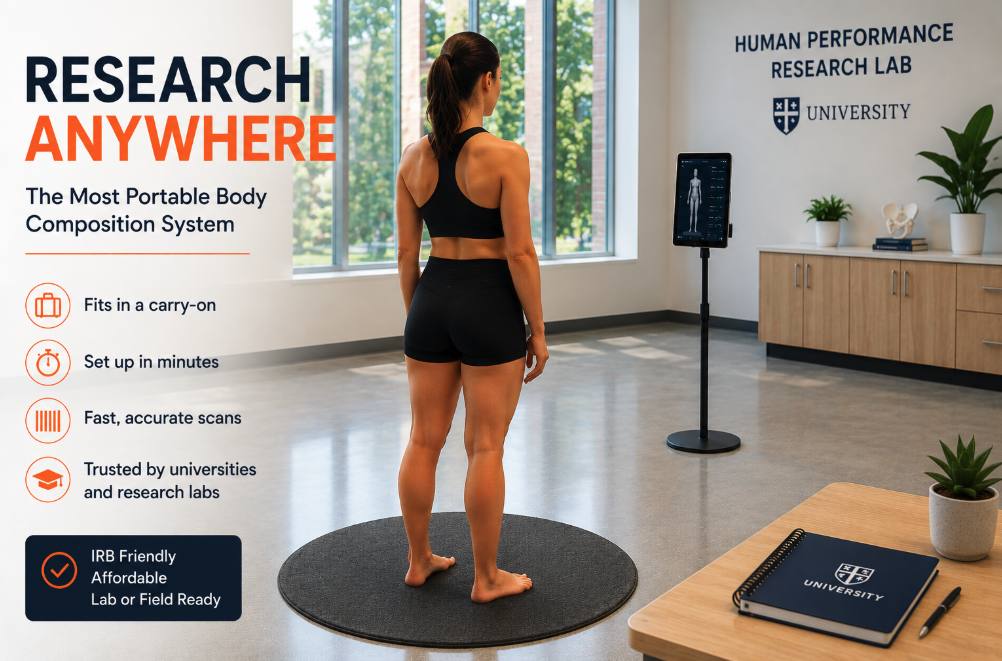
Why University Research Labs Are Switching to Fit3D for Body Composition Analysis
Universities and research labs need body composition tools that are accurate, affordable, and easy to deploy.
Traditionally, researchers relied on expensive lab equipment that required dedicated space, transportation logistics, and extensive approval processes. Today, more research teams are using Fit3D to collect body composition data in laboratories, athletic facilities, clinics, and field environments.
Easier IRB Approval
Because Fit3D is non-invasive and does not involve radiation exposure, researchers report a smoother IRB approval process compared to traditional body composition methods.
Research heads informed us Fit3d required much less paperwork that DXA & BIA systems.
"Using SNAP was not a problem at all for IRB. That was the one thing they didn't complain about."
Built for Field Research
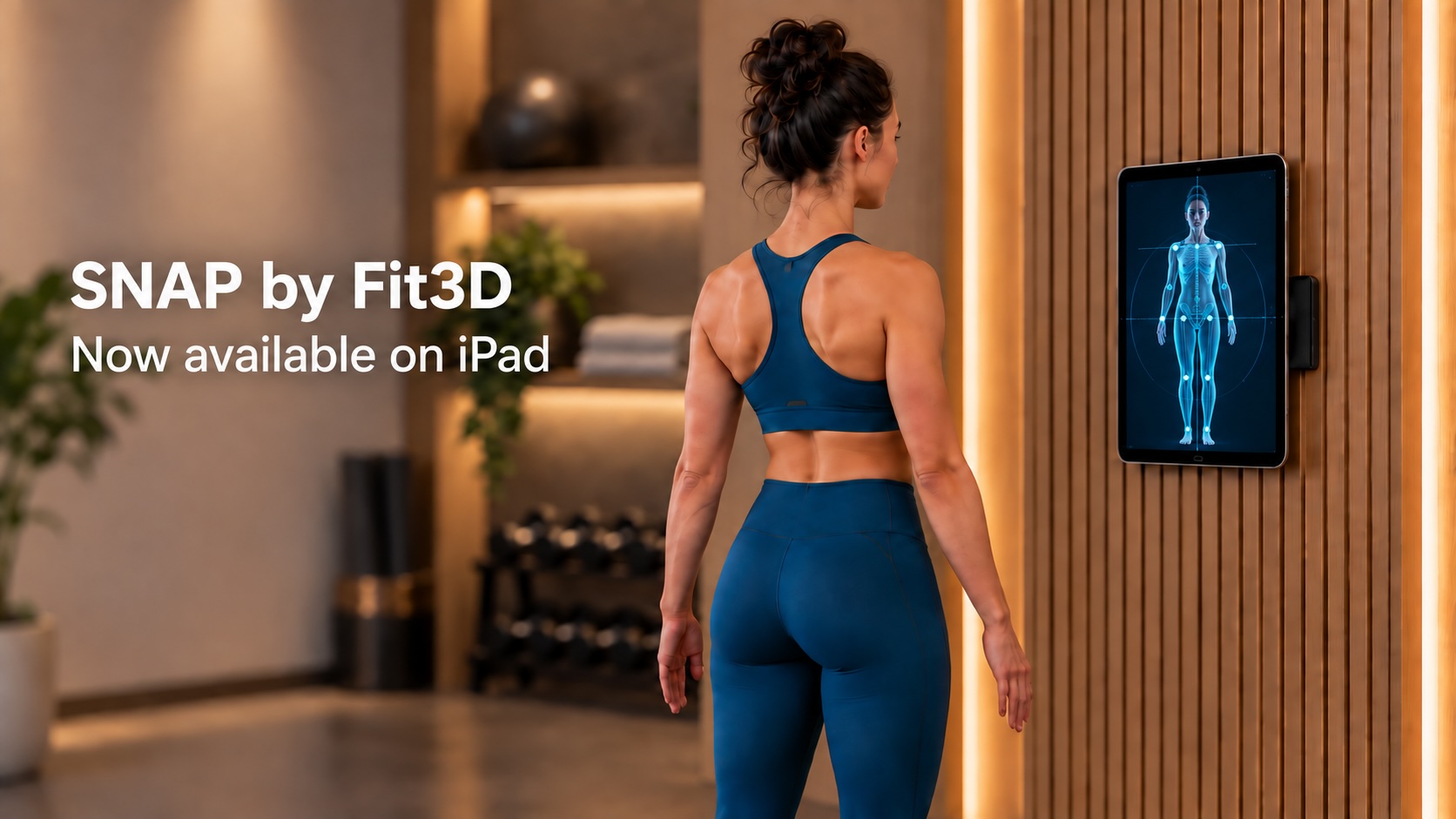
Unlike large laboratory systems, Fit3D SNAP runs on a standard Android tablet.
Researchers can travel with the system, set up in minutes, and begin collecting data immediately.
"I've been able to fly across the country with it. It doesn't have any setup time, and it's always impressive how fast it is."
Affordable for University Budgets
Many research labs cannot justify spending $10,000–$50,000 on body composition equipment. SNAP starts at just $200 for the hardware.
Fit3D provides an affordable alternative with flexible subscription terms and multiple tablet options, making it accessible for graduate students, faculty researchers, and university departments.
Fast Data Collection
Speed matters when collecting large sample sizes.
On researcher said she was able to scan 25 participants in 30 minutes.
Researchers report completing scans in about one minute per participant and collecting dozens of scans during short testing windows.
Accurate Body Composition Data
Fit3D provides measurements including:
- Body fat percentage
- Lean mass estimates
- Circumference measurements
- Visceral fat estimates
- Change-over-time tracking
Researchers have noted that the scan quality and reporting provide the data needed for real-world body composition studies.
The Bottom Line
For universities, exercise physiology labs, sports science programs, and field researchers, Fit3D offers a unique combination of:
- Easier IRB approval
- Lower cost
- Portable deployment
- Fast participant throughput
- Accurate body composition analysis
As research moves beyond the traditional laboratory, Fit3D is becoming a go-to solution for body composition research.

Subscribe to
our Newsletter!
