


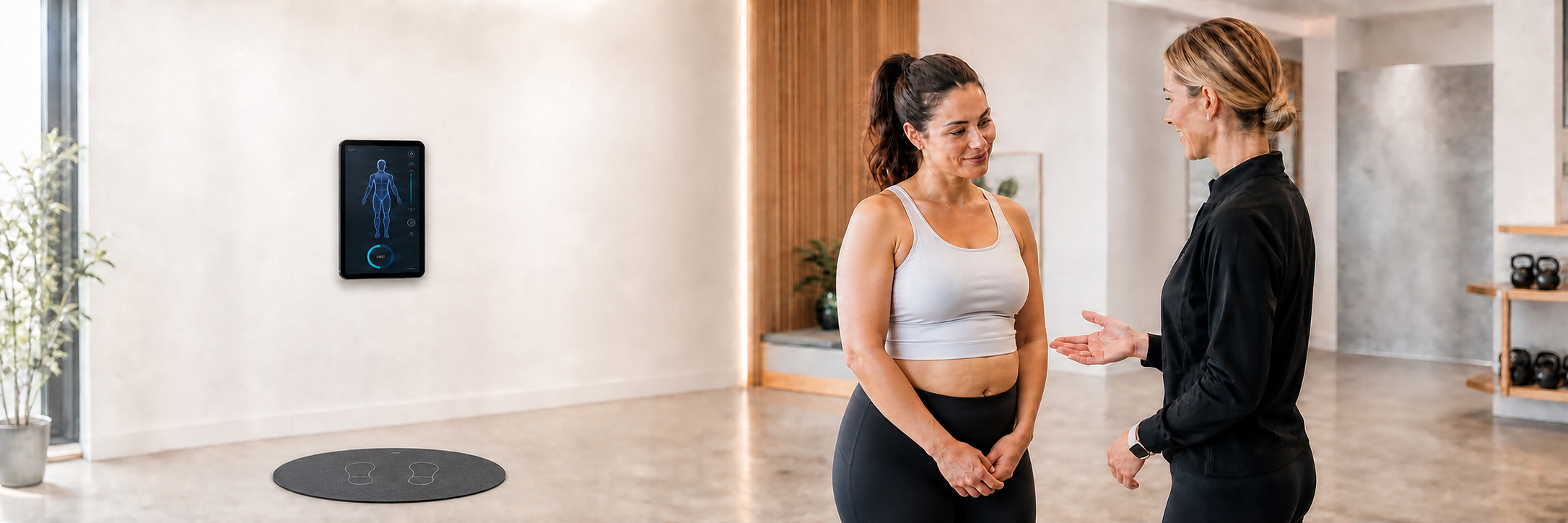
5 Ways to Embrace the GLP-1 Movement
GLP-1 medications are changing the weight-loss customer journey. In 2026, 11% of U.S. adults reported currently using a GLP-1 medication for weight loss, up from 3% in 2024. PwC also reports that 21% of U.S. households now include a current GLP-1 user. Gallup, PwC
For gyms, med spas, hormone practices, nutrition businesses, body-contouring providers, and other body morphology businesses, the opportunity is not to compete with medical treatment or make clinical promises. It is to create a more useful, measurable, and connected client experience around the goals customers already have.
Here are five practical ways to begin.
1. Segment the journey, not just the customer
“GLP-1 client” is not a complete customer profile. People may be starting treatment, actively working toward a goal, transitioning into maintenance, or seeking support after a plateau.
Update your intake process to identify the client’s current stage and primary objective. For example:
- Starting a weight-management program
- Building an exercise routine
- Improving nutrition consistency
- Tracking changes beyond body weight
- Maintaining progress over time
Use these answers to create different consultation and follow-up paths. A new client may need education and orientation. An established client may need a progress review. A maintenance client may need accountability and a sustainable routine.
Keep medication questions within the scope of your licensed clinical partners. Your role is to understand the customer experience and coordinate appropriate support.
2. Establish a baseline before recommending the next step
The scale is useful, but it does not tell the whole story of a client’s body or experience. A baseline gives your team a consistent starting point for future conversations.
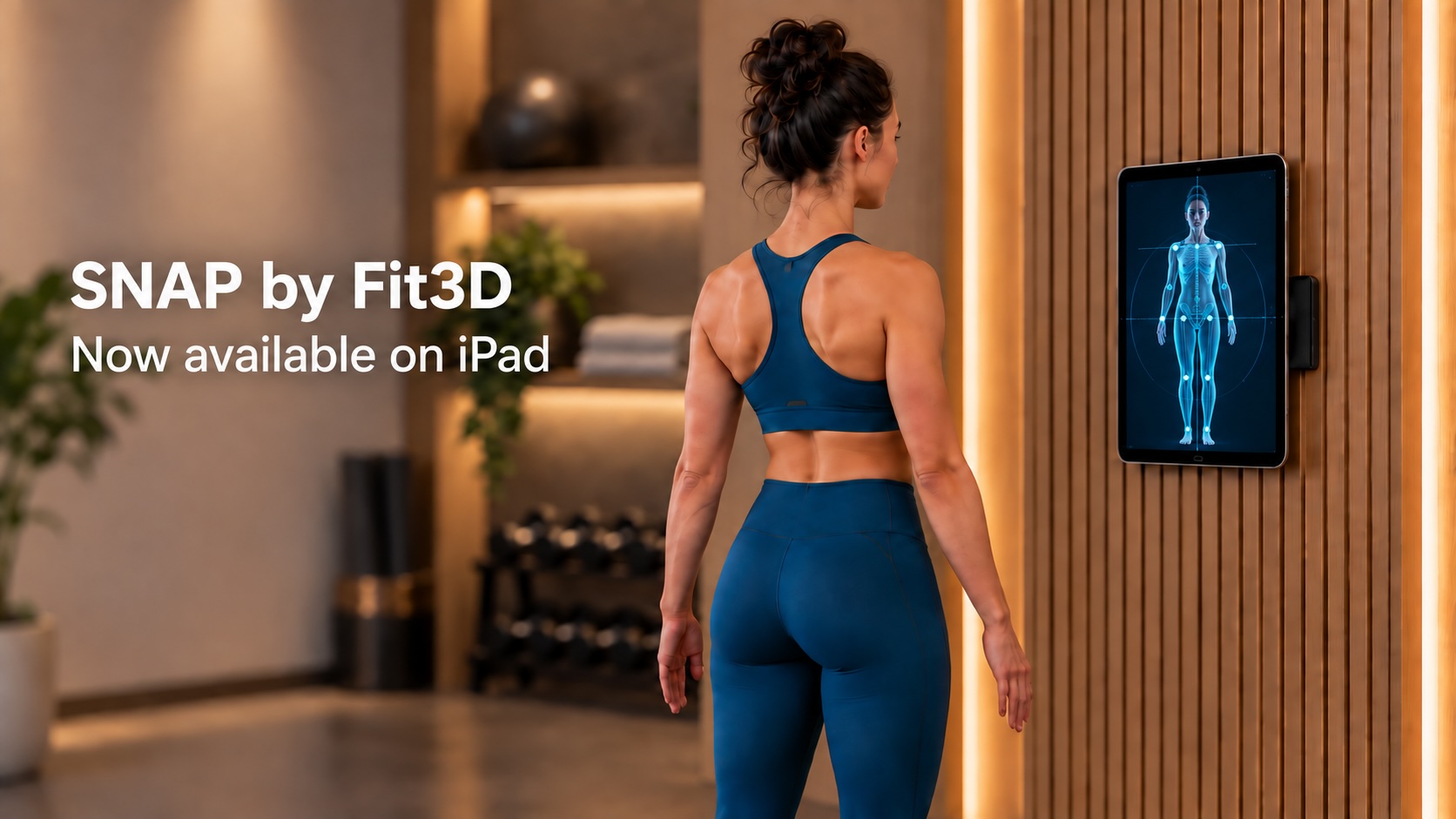
SNAP by Fit3D is designed to help businesses capture a 3D body scan, body measurements, body-composition information, and progress over time. Fit3D lists 400+ measurements, body-fat and wellness scoring, progress tracking, and engagement tools among SNAP’s capabilities. Fit3D SNAP
Use the first scan to document the starting point, clarify the client’s goals, and identify which changes should be reviewed later. Avoid presenting the scan as a diagnosis or as proof that a treatment caused a specific result.
3. Replace one-time assessments with scheduled progress reviews
A baseline only becomes valuable when it leads to a repeatable follow-up process.
Create a simple review cadence that fits your program. That might be a 30-day, 60-day, or quarterly check-in. At each review, compare the same categories and ask the same questions:
- What changed?
- What feels different to the client?
- What should the client focus on next?
A structured review helps staff move beyond “How much weight have you lost?” It creates room to discuss measurements, shape changes, adherence, training consistency, and the client’s own perception of progress.
The goal is not to promise a particular outcome. The goal is to make every follow-up conversation more specific and useful.
4. Turn accountability into a defined service
Accountability should not depend entirely on an individual coach remembering to follow up. Build it into the customer experience.
A body morphology business could offer a recurring progress review that includes:
- A scheduled scan
- A comparison report
- A short consultation
- Updated goals
- A documented next step
Gyms can connect the review to personal training or small-group programming. Nutrition businesses can pair it with a plan review. Med spas and body-contouring providers can use it as part of a broader consultation and documentation process.
This creates a repeatable touchpoint that helps clients stay connected to the program and gives staff a consistent reason to re-engage.
5. Show progress responsibly
Customers want evidence that their time, money, and effort are producing meaningful change. Businesses need to show that value without exaggerating results.
Use progress reports, de-identified aggregate trends, and customer stories only with appropriate permission. When sharing a case study, explain the timeframe, the services involved, and the fact that individual results vary.
Do not imply that SNAP proves the effectiveness of a medication, hormone protocol, supplement, procedure, or training program. Instead, position the scan as a tool that helps clients and providers visualize changes and have better-informed progress conversations.
Conclusion
The GLP-1 movement is expanding the definition of weight management. Customers are increasingly looking for connected support across medication, nutrition, fitness, and wellness. PwC reports that 80% of current users surveyed are piecing together their own supporting routines, which creates an opportunity for businesses to make their experience more coordinated. PwC
The businesses that adapt will not simply talk about weight loss. They will build clearer journeys, establish measurable starting points, follow up consistently, and help clients understand what progress looks like for them.
The GLP-1 movement is changing what clients expect from weight-management and wellness businesses. They are no longer looking only for a number on the scale. They want guidance, personalization, accountability, and a clearer understanding of how their body is changing over time.
For operators, embracing this shift starts with five practical steps: segment the client journey, establish a meaningful baseline, schedule consistent progress reviews, create a defined accountability service, and share progress responsibly.
SNAP by Fit3D can help make that process more measurable and repeatable by giving your team a visual starting point, progress data for follow-up conversations, and a more engaging way to demonstrate the client experience.
The businesses best positioned for the next phase of weight management will be the ones that help clients understand not only what changed, but what to do next.
See how SNAP by Fit3D can support a more measurable client experience: Schedule a Demo

Subscribe to
our Newsletter!
