


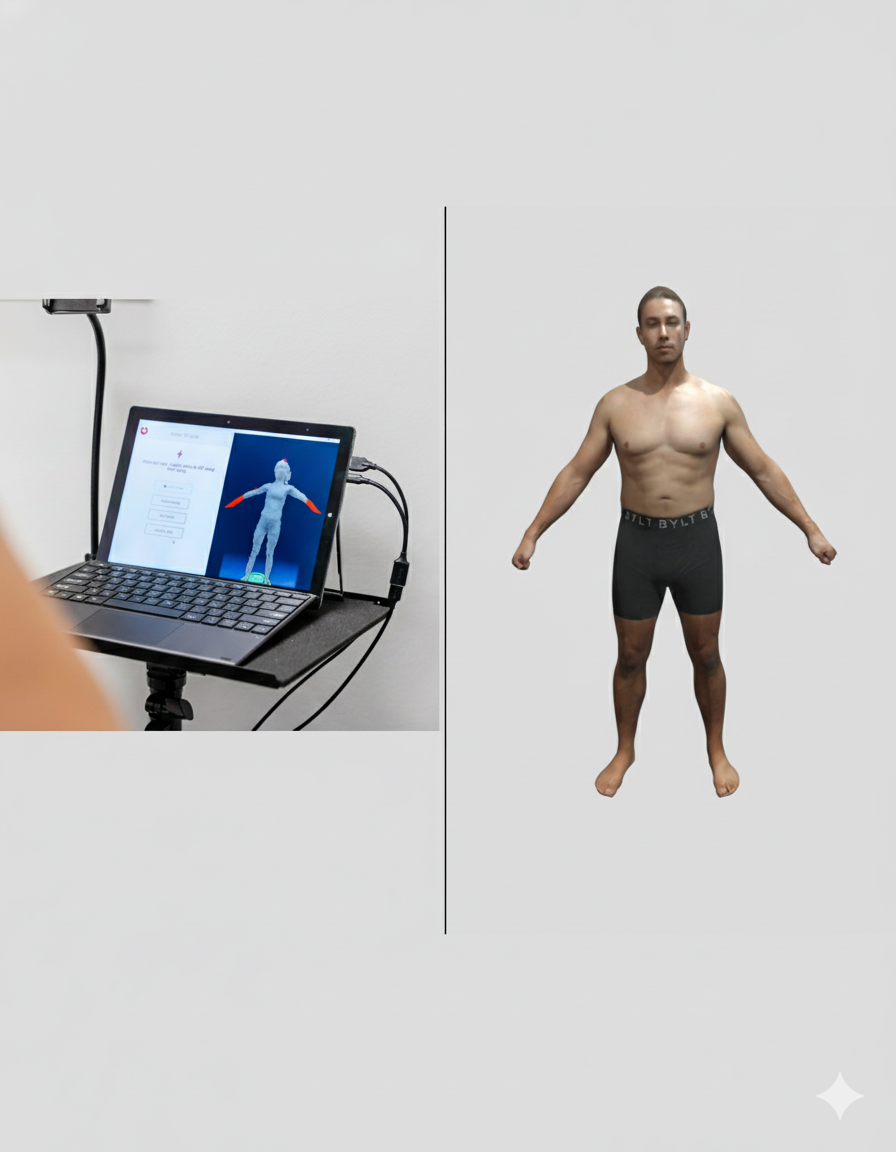
Fit3D SNAP vs Styku Pricing and Accuracy: 2026 3D Body Scanner Review
Styku vs. Fit3D (2026 Update): A Modern Comparison of the Best 3D Body Scanners for 2026
3D body scanners have become essential tools for fitness studios, medical aesthetic clinics, PT practices, weight-loss centers, and wellness facilities. Providers rely on this technology to track progress visually and to improve client retention. Among the most widely researched options — especially for “Styku vs Fit3D” comparisons — the two best-known systems remain Styku and Fit3D.
Fit3D and Styku have both served the industry for years, but starting in 2024–2025, Fit3D underwent a major transformation that fundamentally changed the economics and accessibility of 3D body scanning. We leveraged AI & new lens technology to make something better, faster, for thousands less than anyone else.
Fit3D has scanned over 5 million bodies since 2010 across 80+ countries. This comparison uses data from our own system testing, hundreds of customer interviews, and published specs from Styku.
🔍 Quick Callout: The Scan Quality Is Comparable — Fit3D wins on Reliability & Affordability.
While both platforms deliver similar measurement quality, the total cost difference between the two is substantial.
Fit3D SNAP
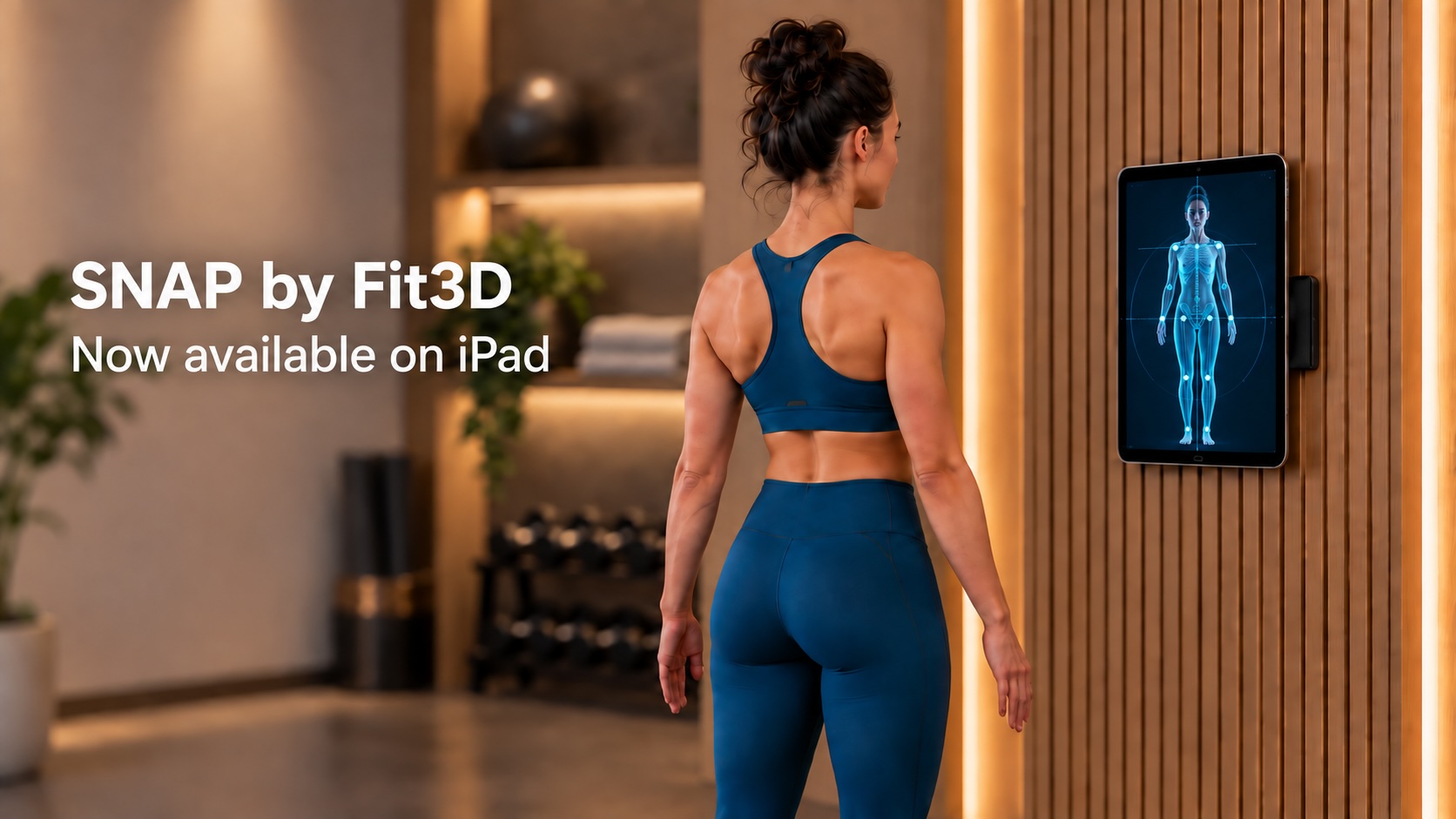
- Fit3D redesigned its technology into a software-only 3D body scanner, removing the need for expensive industrial hardware.
- Total setup cost is about $300 ( Galaxy A9+ tablet & $83/mo subscription).
- All pricing is listed publicly and transparently.
- For those asking “Is Fit3D accurate?”, the answer is yes — SNAP’s measurement reliability is comparable to legacy infrared systems. In fact, research shows it might actually be more accurate than Styku in recent studies.
Styku
- Styku does not publicly disclose pricing, following a traditional B2B hardware quoting model.
- Public resale listings show original buyers paid $6,000–$10,000, with some reporting multi-year leases costing even more.
The Key Question:
If accuracy and client outcomes are similar, is it worth paying $8,000+ more for a traditional hardware-based scanner?
For most people, the answer is "no". Fit3d has no long term contracts, so we invite people to simply try it out for 30 days & see for yourself. The risk is low. The ROI is incredibly high.
Further comparison explores why Fit3D rebuilt its entire platform to modernize pricing, portability, maintenance, and long-term value.
1. Hardware: Two Different Approaches to 3D Body Scanning Technology
Fit3D SNAP (Modern Software-Driven Architecture)
Fit3D redesigned its scanning system from the ground up. SNAP uses:
- A Samsung Galaxy Tablet
- Advanced computer-vision reconstruction using AI
- No infrared tower
- No motorized turntable
- No calibration
- No multi-thousand-dollar equipment
By shifting to a software-first 3D body scanner, Fit3D dramatically reduced cost, improved reliability, and simplified deployment.
Styku (Traditional Hardware Platform)
Styku continues to offer its longstanding infrared scanning system based on:
- A camera tower
- A rotating platform
- Controlled lighting conditions
- Fixed-location setup
This is a familiar platform widely used by earlier adopters of 3D body scanning technology. Fit3d took this approach from 2010 - 2023, until we decided to modernize.
2. Portability: Fit3D SNAP Enables Mobile and Multi-Room Deployment
Fit3D SNAP
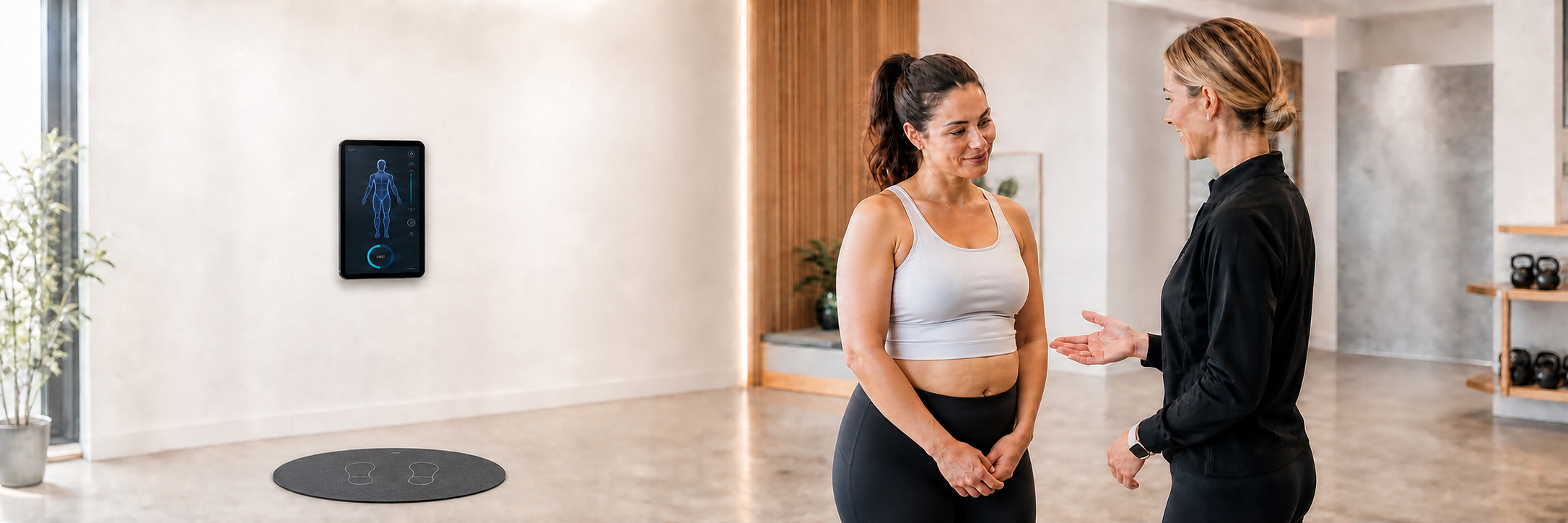
- Completely portable around 10 lbs or less.
- BYOD (bring your own tablet)
- Easy setup in under 3 minutes
- Ideal for multi-site operators, events, workshops, or clinics
- Works in compact spaces
Styku
- Requires significant floor space (approx. 6 ft × 4.3 ft) between tower, turntable, and labtop.
- Less portable due to size, but generally mobile if needed.
For organizations searching the best 3D body scanners for 2026, portability is now a major deciding factor.
3. Data Access & Reporting
Fit3D SNAP
Both products have a similar approach here
- Mobile Web App
- Client and Facility Dashboards
- Body Composition, Circumference Measurements, Visceral Fat Reports
Styku
- Native App Portal
- Client & Facility Dashboards
- Body Composition, Circumference Measurements, Visceral Fat Reports
Fit3D’s modernized UX appeals to facilities prioritizing digital experience and user convenience.
4. Accuracy: Is Fit3D Accurate? Yes — Comparable to Legacy IR Systems
A common question in search engines and Google AI answers is:
“Is Fit3D accurate?”
Yes.
Fit3D SNAP matches the accuracy range of traditional infrared scanners, thanks to:
- AI-based detection
- Multi-frame computer-vision modeling
- Sway correction
- Improved circumference calculations
- Enhanced posture analysis
Styku’s infrared tower has long provided reliable accuracy and remains consistent today.
Both systems deliver accuracy appropriate for fitness, aesthetics, and wellness use cases. Both developed algorithms based on DXA data.
5. Cost Comparison: The Largest Difference in the Styku vs Fit3D Decision
Styku (B2B Hardware Pricing Model)
Styku follows a traditional enterprise hardware sales structure:
- Pricing not published
- Varies by sales representative
- Often bundled with financing or leases
- Original purchase prices observed between $6,000 and $10,000+
- Some customers report multi-year lease commitments
This variability makes total cost of ownership more complex to evaluate.
Fit3D SNAP (Transparent, Predictable, Low Cost)
Fit3D switched to a modern, transparent pricing model:
- $83/month subscription
- Unlimited scan volume
- Your own Samsung tablet (~$300) - bought locally
- No long-term leases
- No multi-thousand-dollar equipment
- No hidden or variable pricing
Fit3D is currently the most cost-efficient 3D body scanner for 2026 given its accuracy, portability, and low total investment.
6. Support: AI-Enhanced Assistance and Fast Response Times
Fit3D SNAP
Fit3D upgraded its support model, providing:
- 24/7 AI support availability
- Human response SLAs of 1–2 hours
- Phone support for urgent issues
- Limited hardware troubleshooting due to software-only design
- Ticketing based workflows & knowledge center
Styku
- Standard hardware-based support
- May involve calibration and mechanical checks
- Ticketing based workflows & knowledge center
Facilities evaluating the best 3D body scanners for 2026 should consider long-term support complexity.
7. Long-Term Maintenance: Fit3D Eliminated the Main Causes of Downtime
With eight years of service data from hardware systems, Fit3D identified the primary causes of scanner downtime:
- Turntable motor failures
- Bearing wear
- Handle problems
- Tower alignment issues
- Shipping damage
Advances in computer vision made these components unnecessary. They were great 10 years ago when 3D scanning began, but now they are older technology that is not needed.
Fit3D SNAP eliminates:
- Turntable
- Infrared Sensors which can be overly sensitive to lighting conditions.
- All major mechanical failure points
This significantly reduces maintenance costs and increases long-term reliability.
Styku’s hardware-based model includes components similar to those Fit3D moved away from, though we cannot speak to their repair procedures or RMA timelines when equipment requires service.
8. Subscription Costs: Transparent vs. Non-Public Monthly Pricing
Both systems require ongoing software subscriptions for scan processing and data access.
Fit3D SNAP
Fit3D publicly lists its subscription pricing:
- $83/month - Pricing is listed HERE
- Unlimited scans
- Full dashboard access and client app
- Flat, predictable pricing
Styku
Styku also requires a subscription, but:
- Pricing is not published publicly
- May vary depending on sales quotes
- Industry reports and AI summaries estimate $150–$800/month depending on module.
- Exact costs may differ between customers and sales rep.
Transparent subscription pricing helps facilities budget more accurately over time.
Final Assessment: Which Is the Best 3D Body Scanner for 2026?
Both Fit3D and Styku deliver viable solutions for providers offering body assessments.
Styku
- Traditional infrared tower
- Consistent accuracy
- Familiar hardware-driven workflow
Fit3D SNAP
- Comparable accuracy
- Extremely low upfront cost
- Portable and easy to deploy
- Transparent pricing
- Software-only architecture
- AI-supported customer service
- Minimal long-term maintenance
For organizations prioritizing software-driven workflows, affordability, scalability, and ease of use, Fit3D SNAP is one of the best 3D body scanners for 2026.
Facilities preferring a traditional hardware-based system may consider Styku.

Subscribe to
our Newsletter!
